Niranjan Raj Thapa

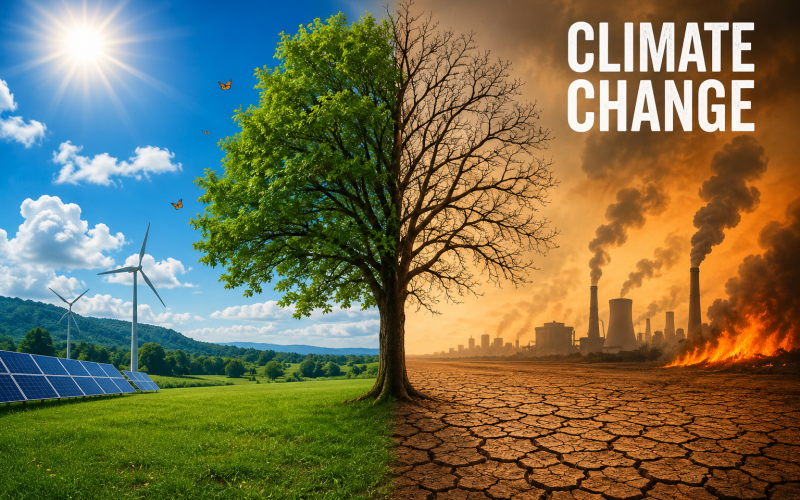
Climate change is one of the major environmental challenges of the modern world. It is changing temperature, rainfall, humidity, water availability, and the frequency of extreme weather events. These changes can also affect parasites and the animals that carry them. Some parasitic diseases may spread into areas where they were previously uncommon or absent.
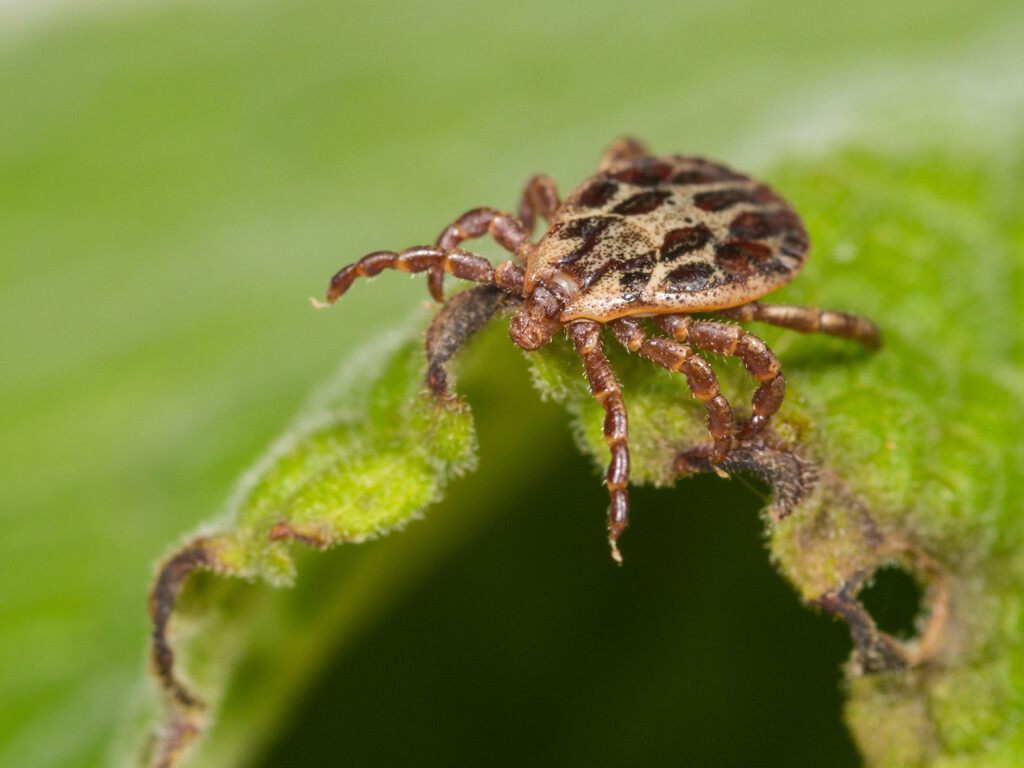
Many parasitic diseases depend on insects or other animals for transmission. Mosquitoes, sandflies, ticks, blackflies, and snails can help parasites move between hosts. Changes in climate can affect the survival, reproduction, and geographic range of these organisms. As a result, some diseases may move to higher elevations or higher latitudes. The transmission season may also become longer in some places. The World Health Organization reports that several disease vectors have already expanded their geographic ranges.
Malaria is an important example. It is caused by Plasmodium parasites and spread by infected female Anopheles mosquitoes. Climate conditions can affect the mosquito and the development of the parasite. Other parasitic diseases, such as leishmaniasis, lymphatic filariasis, and some water-related parasitic diseases, may also be influenced by climate and environmental changes.
However, climate change is not the only reason for disease spread. Human travel, migration, urbanization, land-use change, poverty, sanitation, and health services also play important roles. This review explains the relationship between climate change and parasitic diseases in simple language. It focuses especially on the spread of parasites and their vectors into new regions.
Note: Niranjan Raj Thapa is Researcher, Photojournalist and Content Creator – Editor